

Saturday, October 19, 2013
Rodeo Realty Journal October 2013
Here is the latest edition of the Rodeo Realty Journal detailing all the great things happening at Rodeo Realty.

Thursday, October 17, 2013
Interior Design Tips

Where to Begin
Look at the basic shell of a room and consider all its potential. You have to train the eye, so that no matter how unpromising the existing decor is, you can look around and imagine everything stripped away, with only the skeleton remaining.
Focal Points
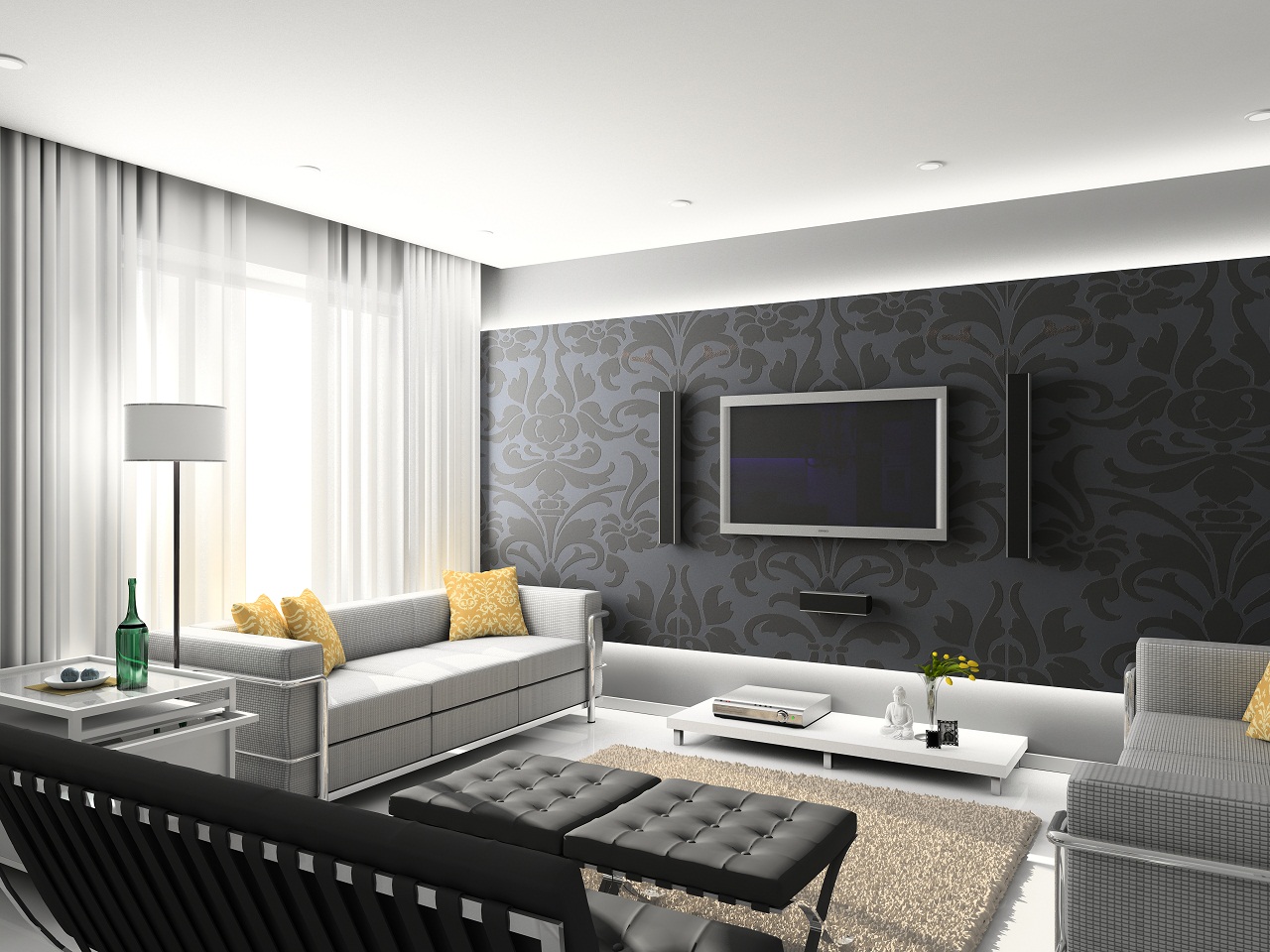
Each room needs a centrepiece of some description. This focal point is important because it sets the tone for the rest of the decorating scheme and ties the total look together. It is also useful because it will draw the eye away from less pleasing aspects of the room.
Finishing Touches
Not all rooms require a complete overhaul. Many of them can be given a simple lift by editing some things out, repositioning others and introducing a few new buys. It is amazing how different a room can look with a new rug, a different set of cushion covers or a change of lampshades. Accessories and flowers also help newly decorated rooms become truly finished.
Lighting
Never underestimate the importance of light – both natural and artificial – in a room. Light is one of those life-enhancing ingredients that are always worth spending time and money on to get just right.(Image of Arthur Lamp Table and Hastings chair upholstered in the Montacute Fabric)
Using Pattern & Colour
When using colour don’t fall into the trap of worrying over what goes with what. In truth you can mix any colour with any other; what really matters is the intensity of the colours you choose. Colour fashions come and go which is why I have evolved collections over the years that are guaranteed to complement each other.
Friday, October 11, 2013
Common Types of Mold in Homes
Mold comes in all shapes, sizes and colors. Learn how to identify the type of mold in your home and develop a plan of attack for treating it.
Like the colors in a box of crayons (but not nearly as fun), mold comes in a variety of hues, including black, white, green and orange.

 The EPA considers bacteria, molds, mildew, viruses, animal dander, cat saliva, house dust, mites, cockroaches and pollen all biological contaminants. Excessive moisture creates breeding grounds for these contaminants, so ventilate adequately and keep relative humidity between 30 percent and 50 percent to prevent condensation on building materials.
Regular household cleaning and maintenance go a long way toward limiting exposure. Change filters and have heating and cooling equipment cleaned and checked regularly by a professional; these systems can become not only breeding grounds for mold and other biological contaminants but also superhighways for dispersing them throughout the home.
If these methods don't suffice, an indoor air-cleaning device may help an affected area. However, avoid ozone generators that are sold as air cleaners. The EPA warns: "Whether in its pure form or mixed with other chemicals, ozone can be harmful to health."
Basements can be a particular trouble zone. The EPA recommends you clean and disinfect basement drains regularly and that you not finish a basement unless all moisture issues are abated.
Like the colors in a box of crayons (but not nearly as fun), mold comes in a variety of hues, including black, white, green and orange.
Water Intrusion

The most common types of mold include aspergillus, cladosporium and stachybotrys atra (also known as black mold).
Aspergillus is a fairly allergenic mold that is commonly found on foods and in home air conditioning systems. Cladosporium is typically a black or green "pepper like" substance that grows on the back of toilets, painted surfaces and fiberglass air ducts. While this mold is nontoxic to humans, it can trigger common allergy symptoms, such as red and watery eyes, rashes and a sore throat.
Mold that appears to be orange or red in color is typically found outdoors, given its nature to thrive on decaying plants or moist wood. This type of mold, which can appear slimy, is harmless and should only be removed for aesthetic purposes.
White mold is not technically a type of mold, but the good news is that this typically indicates the mold is only in the early stages of growth and can easily be treated.
Be on the lookout for signs of a water leak or condensation: water stains that get bigger over time, musty odors, continually damp carpet, or beads of water or puddles on hard surfaces. When you do have water damage, thoroughly clean and dry carpets and building materials within 24 hours if possible, and consider replacing waterlogged items to eliminate the risk of mold.
If you suspect a problem (or better yet, as preventive maintenance), hire professionals to inspect for damaged shingles and siding, poorly connected plumbing and leaky pipes, and other moisture problems, such as inadequate vapor barriers. Mitigate the issues as soon as possible.
If you suspect a problem (or better yet, as preventive maintenance), hire professionals to inspect for damaged shingles and siding, poorly connected plumbing and leaky pipes, and other moisture problems, such as inadequate vapor barriers. Mitigate the issues as soon as possible.
Biological Contaminants
 The EPA considers bacteria, molds, mildew, viruses, animal dander, cat saliva, house dust, mites, cockroaches and pollen all biological contaminants. Excessive moisture creates breeding grounds for these contaminants, so ventilate adequately and keep relative humidity between 30 percent and 50 percent to prevent condensation on building materials.
 Regular household cleaning and maintenance go a long way toward limiting exposure. Change filters and have heating and cooling equipment cleaned and checked regularly by a professional; these systems can become not only breeding grounds for mold and other biological contaminants but also superhighways for dispersing them throughout the home.
If these methods don't suffice, an indoor air-cleaning device may help an affected area. However, avoid ozone generators that are sold as air cleaners. The EPA warns: "Whether in its pure form or mixed with other chemicals, ozone can be harmful to health."
Basements can be a particular trouble zone. The EPA recommends you clean and disinfect basement drains regularly and that you not finish a basement unless all moisture issues are abated.
Tuesday, October 8, 2013
Monster Spec House That Started Bev Hills Beef Asking $36MM

Back in 2010 we heard about a neighbor-on-neighbor lawsuit on Laurel Way in Beverly Hills--developer Papcap Laurel Way LLC (aka businessman Richard Papalian) got permission from the city to demolish 50 percent of the house he was renovating, but he rounded that up to 90 percent instead, and he started building to 23 feet high when the limit was 14 feet. Papalian claimed he had verbal permission from the city for both changes, which the city disputed. Bygones, we guess! The (enormous) house is done now, and listed on The Agency's website (but not in the MLS). From the Wall Street Journal we learn that the 11,000-square-foot house has six bedrooms; 10 bathrooms; master suite with bar, a deck, and six-person jacuzzi with fire feature; screening room; 1,000-bottle wine cellar; and glass-walled, six-car garage (One spot for each jacuzzi occupant? Thoughtful.). The outdoor space has an infinity pool, firepit, a water feature that looks like a lap pool, a tiny-looking little putting green, and serious views "that inspired a team to build a home like no other with the utmost integrity," according to the listing. It's huge, glassy, insane, comes fully furnished, and is asking $36 million.


Subscribe to:
Posts (Atom)