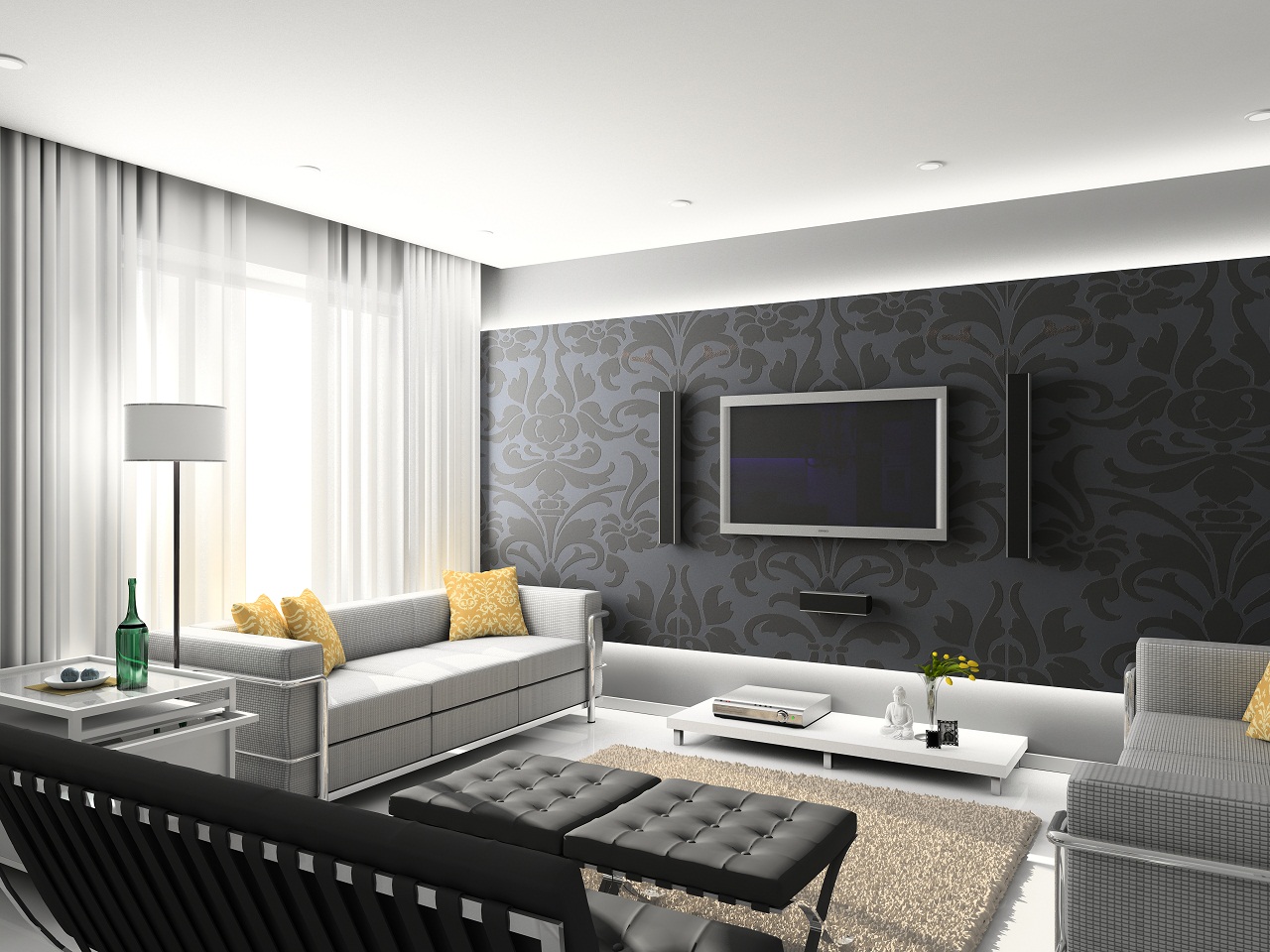
Showing posts with label #design. Show all posts

Thursday, October 18, 2018

Steer Clear: 7 Living Room Design Looks That Buyers Hate

Home decor is all about reflecting your own personal style. It’s an opportunity to use your home as a blank canvas and paint a masterpiece that is decidedly you. 

And that style is never more apparent than in your living room—the spot where your guests gather and your personality is most on display.
We’ll never tell you to betray your decor desires in this room (or the rest of your home). But if you’ve gone nuts painting your living room in wild colors or spent thousands laying down Moroccan tile, bear in mind how potential buyers might perceive your choices.
Buyers need to picture themselves living and loving that space: throwing parties, entertaining guests, enjoying a lazy Saturday with a book. If your favorite living room design looks are dated or divisive, buyers might give your home a pass. 
So ditch these seven polarizing decor choices while you still can—before they sink your chance of a sale.
1. TV looming over the fireplace
No matter which side you fall on in the great TV-over-the-fireplace debate, none of that matters when it comes time to sell. Find somewhere else for your flat-screen TV—at least temporarily.
“Today’s buyers are interested in beautiful, serene rooms with seating revolved around a focal point of beauty,” says Chicago interior designer and stager Kara O’Connor. A personality-free black box is neither serene nor beautiful.
Heads up: If you’ve already mounted your television on a wall or over the fireplace, you may have to remove the evidence after you take it down. No buyer wants to see unpatched holes in your walls.
2. Dead things
Obviously you’re not leaving dead mice lying around your living room (we hope!). Perhaps you should get rid of the enormous steer head hanging over your fireplace, too.
“We totally get it. Cowhides and taxidermy are super kitschy and trendy,” says Justin M. Riordan, a Portland designer with Spade and Archer Design Agency. “The combination of creepy and beautiful is all the rage. Unfortunately, for many, the creepy is far more powerful than the beautiful.”
Real or not, you don’t have to say goodbye to your animal skulls. Just tuck them away until the home is sold. Far away.
3. Blond wood
Don’t stain your hardwood just because you’re listing your home, but if you’re thinking about doing it anyway, O’Connor has some advice: Go dark.
“Dark, wide-plank floors are ‘in,’ and blond wood is ‘out,'” she says. “If the floors are dated, I encourage refinishing. The impact is huge.”
Alongside new baseboards and neutral paint, deep chocolate floors will give your home the modern edge that could attract on-the-fence buyers.
4. Saturated walls
Yes, your deep teal walls look rad alongside your dark wood credenza and velvet chaise. But all potential buyers see are dollar signs.
“More likely than not, your home’s next owner has some very distinct taste in furniture, which they recently spent quite a bit of money on,” Riordan says. “They are not going to buy new furniture to match your saturated wall colors.”
Many buyers do repaint before moving in, but painting over saturated tones requires more coats, more time, and, naturally, more money. And some buyers don’t want to deal with any of that.
To get the highest selling price—and the most interested buyers—paint the entire place in simple neutrals.
5. Outdated furniture
Buyers bring their own furniture. But picturing their gorgeous modern furniture in your space can be daunting if everything you own is outdated and overwhelming.
“If the furniture distracts the buyer from the square footage, a focal point, or hardwood floors, then it should be carefully edited out,” says Jill Hosking-Cartland, an interior designer in Windham, NH.
Not only might they struggle to see themselves in your place, they might also worry about the quality of your home.
“Old furniture can leave a buyer with the impression that there is a lack of attention to routine maintenance and updating,” Hosking-Cartland says.
Work with your Realtor® to stage your property using updated, on-trend furniture.
6. Narrow baseboards
New baseboards and crown molding can take a room from blah to bangin’ with an afternoon’s worth of work. But make sure the sizes and designs you choose look modern.
“Crisp, white baseboards that are a minimum of 5 inches high are preferable to the dated, 2- or 3-inch baseboards from the ’90s and early 2000s,” O’Connor says.
Teeny-tiny baseboards might not be a deal breaker, but they can make a room feel kind of off. Beware of going too big—though it is possible to overwhelm a room with your molding. Find the right size trim for your space before you embark on that weekend project.
7. Faux finishes
You might hate ordinary paint, but funking up your living space with a faux finish can be a sticking point. Even if your DIY job looks amazing, buyers see only another thing they need to change. Paint over your fake Venetian plaster, reclaimed wood, or “textured” walls before the first showing.
“Asking a buyer to adopt your specific design style is risky,” Hosking-Cartland says. “Most buyers see these polarizing design elements as work they will have to do and spend money on to make the home a reflection of their own personal style.”


Thursday, February 1, 2018

The 9 Hottest Interior Design and Decor Trends You'll See in 2018

When it comes to home design and decor, we'll be the first to tell you to stick with what you love, no matter what the pros say. But if you can't escape that sinking feeling each time you walk through your front door that your decor is looking a little tired, well, don't despair. We've got you covered! We've already talked about the design trends you should ditch in the coming year. Now let's take a look at some of the hot new designs you might want to use for 2018 to give your home a fresh lease on life.
From splashy color palettes to bright yellow sofas and mixed metal everything, our stable of designers and tastemakers have given us the ultimate insiders' scoop on what'll be hot in 2018. And trust us: It'll be a gorgeous year. Here's what to watch:
1. Bold colors
Designers haven't yet had their fill of spaces decked out in deep, bold shades; this decor trend is appearing on our hot list for the second year in a row.
“As much as I love an all-white interior, rich jewel tones are making their way onto our walls and moldings in a big way—think ‘English library,’ but with peacock teal, black, or rich burnt orange colors,” says Oregon-based interior designer Arlene Lord.
The proof is in the paint: Sherwin-Williams' 2018 Color of the Year (Oceanside SW 6496) is an intense shade of blue-green, while Pantone recently announced the rich and regal Ultra Violet will reign supreme in the coming year.
Lord recommends pairing these jewel tones with bold, dustier shades to create a lush, layered look. (We like PPG’s Black Flame, an indigo-hued black that’s great for modern interiors; Glidden’s Deep Onyx, a classic no-fuss shade; and Olympic’s Black Magic.)
"Dipping a room in a dramatic shade like midnight navy, eggplant, or charcoal is a fun way to embrace a deep, rich color, and the result is deliciously inviting,” says Elissa Morgante, co-principal of Morgante Wilson Architects in Illinois.
Ready to really commit? Go all-in on this trend with dark or black trim.
“Outlining the room or windows in dark trim helps punctuate and call attention to unique features,” she says.
2. Mixed metallic
A few years back, mixing metals was a total no-no. But experts now agree that today’s homeowners want more than simple one or two copper or brass fixtures—they like seeing the stuff throughout a room or house.
“Buyers really love to see modern, eclectic choices such as a hammered copper light fixture above the kitchen island paired with sleek chrome faucets and cabinet hardware,” says Ken Fixler of Barnett Homes in Chicago.
To warm up the industrial feel of some metals, pair them with a natural stone like marble or limestone, and look for unexpected finishes like matte black, satin brass, black nickel, and unlacquered brass. Amp up the visual interest another notch by layering your metals across a variety of locations, from faucets to hardware to lighting and furniture.
3. Gen Z yellow
As usual, Beyoncé was way ahead of the curve on this one, smashing car windows and security cameras in an unforgettable yellow Cavalli dress in her epic video for "Lemonade." And as designers, fashionistas, and millennials will all tell you, the hue that's being dubbed "Gen Z yellow" is the one to watch.
Karen Wolf, of Karen B Wolf Interiors, calls it "positive, confident, vibrant, and enthusiastic."
"We have not seen this color emerge for quite some time," Wolf adds. "It feels fresh, happy, and young."
Designer Sarah Hullinger agrees, predicting the color will continue to be huge well into 2018.
“It’ll certainly make an impression, whether a bright ‘minion’ color or a burnt shade resembling curry or turmeric,” she says.
If you can't quite warm up to the idea of, say, a bright yellow sectional, test the waters with an accent chair or painted side table.
4. Quartz
In the kitchen, sleek quartz is taking the place of the ubiquitous granite and hard-to-clean marble.
“Quartz products are appealing to the ease of living that we all crave, and the surfaces are much more modern, clean, and versatile,” Lord says.
5. Light, textured wood floors
“Red-toned woods are fading in popularity, along with tropical exotic species” like Brazilian cherry or walnut, says Armstrong Flooring design manager Sara Babinski.
Instead, flooring trends are moving toward lighter color palettes in domestic American woods such as maple, pine, or hickory, she says.
Why? Light-hued woods—including natural tones and blond and whitewashed woods—brighten interior spaces and hide imperfections more easily, making them a great choice for families and households with pets. For extra credit, choose a distressed or wire-brushed wood, which offers vintage appeal with a less aggressive look than a scraped floor, and choose 5-inch-wide planks, which create a sense of openness and interior space.
If you decide to stick with dark flooring, designers recommend that you pair it with light walls and white trim for contrast.
6. Natural materials
“In interior design we're seeing a strong push toward eco-consciousness—looking toward items that are made of sustainable materials and have a natural feel to them,” says Ana Zuravliova, an interior designer at Roman Blinds Direct. “People care about the production, the history, and the story of their furniture more than they ever have before.”
While the sustainability element is a plus, the visual airiness of the materials is indicative of a move toward more minimalist interiors, says designer Erin Powell, virtual staging coordinator at 3-D rendering company roOmy.
"The less-is-more approach will continue—[think] lacy hammocks and daybeds and wicker and rattan furniture with a more modern edge," she says.
7. Concrete in unexpected places
Tired of basic granite in your kitchen and bath? Ditch it in favor of cool concrete—and then take your design up a notch by extending the material elsewhere in your house.
“From fireplaces to bath tubs, concrete is no longer the countertop alternative,” says designer Ana Cummings. “I’m seeing entire walls in concrete panels that look fantastic juxtaposed next to antiques or contemporary furnishings.”
8. Black fixtures Black fixtures will take the place of brass as the new hot home hardware, predicts Ryan Brown of Brown Design Group in Southern California. The first reason is easy: Black pretty much goes with everything. The second? Black fixtures—especially in matte finishes—are much easier to clean (and don't need to be cleaned as often) than lighter, polished metals.
“They look great in modern applications as well as transitional homes,” Brown says. “And the best part is, no water spots to clean off.”
9. Larger tiles
For years, white subway tile has been the go-to choice in many a modern (or renovated) bathroom and kitchen. But designer Karen Asprea of Whitehall Interiors notes a recent shift toward larger-format tile (and even slab-size sheets of porcelain).
"This shift is not only aesthetic but one of function, as larger tile has less grout and is both easier to install and maintain," Asprea says.
But if you're not on board with big, don't fret—designers agree the subway tile trend has life left in it.
“Clients want a really clean look for their homes and that doesn’t appear to be a trend that’s going away,” says Katie Jaydan, senior designer with White Crane Construction, a residential remodeling company in Minneapolis.
To mix things up a little and add visual interest, consider swapping out tired old cabinetry hardware with mixed metals (oh, hi, Tip No. 2) for a look that's oh-so-2018. (In a good way.)


Monday, June 5, 2017

4 Genius Yard Upgrades That Even A Klutz Can Crush

You don’t need to be the host of an extreme home makeover show to build an amazing backyard.
 In fact, the transformative projects below are easy enough for even the klutziest home improvement newbie to complete.
 Just don’t be shocked when the Johnsons appear at your door with hot dog buns in hand, begging to throw a cookout at your place. 

#1 No-Blow Outdoor Curtains

When Cara Daniel of “The Project Addict” blog spied a neighbor’s unruly outdoor curtains, she hacked some for her porch that could withstand a gusty Tornado Alley afternoon without upending a glass of lemonade or ensnaring an unsuspecting guest.

She found the sweet spot by slipping conduit pipes through the curtain tabs up top and a hem at the bottom, and securing the pipes with wires (taut, but not too tight).

Daniel did all the hard work of dreaming up the curtains, so a DIY newbie can definitely recreate the project, which uses easy-to-find materials like washers and camping stakes. 

Upkeep has been equally simple thanks to her sturdy choice of fabric. “The marine fabric is better than outdoor fabric that I bought,” says Daniel. The easy-to-wash choice has kept the curtains looking picturesque after five years of use.

#2 Shutter Privacy Fence

No fence? No problem! Daune Pitman of the “Cottage in the Oaks” blog MacGyvered an attractive privacy feature from a friend’s pile of discarded shutters.

The $0 price wasn’t the only thing that made the material desirable for an outdoor nook’s privacy screen, though. “They were tall,” says Pitman, “could easily be attached to posts, had the vents — which allows air to flow through — and didn’t weigh too much.” 

After nailing the shutters to four-by-fours cemented into the ground (an easy task with a store-bought bag of pre-mixed cement), the nook-facing side got a charming French-blue facelift and the back a coating of foliage-matching bark brown paint.

It’s a kind of self-explanatory project because all you need is:
Shutters
Posts
Cement
Hinges (plus screws) for the shutters
Paint
What could be easier?

#3 PVC Pipe Pergola

Suburbanite Monica Mangin of the site “East Coast Creative” jumped at the chance to rehab a client’s neglected urban patio.

The showstopper was a clever PVC pergola decked with industrial-style lights. She was inspired by traditional wood pergolas, but wanted an easier material. “A lot of mason jar light fixtures were trending,” says Mangin.”I liked the look of that but wanted to turn it a little more industrial.”

PVC pipe — with rebar inside as an anchor — won out for its ease on the DIYer and wallet. Could it get any easier? 

A simple coat of hammered metallic outdoor spray paint gave the pipe a pricier look, and industrial-strength zip ties kept the string of dimmable, Edison bulb-style lights in place. Although the project doesn’t take much time or skill, Mangin recommends recruiting two friends to help. Have one hold each end of the pergola while the third secures the lights with zip ties. Overall, it’s a dinner party-friendly cinch that’s surpassed the one-year mark.

4. Solar Light Hose Guards

Topping the list of Sad Gardening Ironies is when the hose you’ve lugged out to help your landscaping stay lush mows over a bed of delicate flowers you just planted. Sigh.

Lynda Makara of the blog “Home of Happy Art” figured out a pretty and pragmatic solution using affordable solar lights.

The DIY part entailed trashing their original plastic stakes (they weren’t strong enough to hold a hose in place), hammering 24-inch pieces of rebar into the ground, and slipping a light over each piece.

Those sturdy posts could handle even the bulkiest hose, protecting Makara’s plantings during waterings then casting a lovely spotlight on them post-dusk. 

“The rebar is maintenance free,” says Makara. “I have had to replace some of the batteries in the solar lights, but I think that’s pretty normal.”

It doesn’t get much easier than hammering a stake into the ground. Although Makara suggests straightening the rebar with a level, that’s about as technical as it gets to create a more functional, flowering garden.


Wednesday, May 13, 2015

Interior Design Tips

Interior decoration has never been more popular. Everyone wants the sort of home seen in glossy magazines; yet the real trick of decorating lies in making sure you have the right wallpaper, fabric and all the extra ingredients including lamps, pictures, lighting and flowers. Here I would like to take you through some of my key elements when it comes to decorating.


Where to Begin

Look at the basic shell of a room and consider all its potential. You have to train the eye, so that no matter how unpromising the existing decor is, you can look around and imagine everything stripped away, with only the skeleton remaining.
Focal Points
Each room needs a centerpiece of some description. This focal point is important because it sets the tone for the rest of the decorating scheme and ties the total look together. It is also useful because it will draw the eye away from less pleasing aspects of the room.
Finishing Touches


Not all rooms require a complete overhaul. Many of them can be given a simple lift by editing some things out, re-positioning others and introducing a few new buys. It is amazing how different a room can look with a new rug, a different set of cushion covers or a change of lampshades. Accessories and flowers also help newly decorated rooms become truly finished.

Lighting
Never underestimate the importance of light – both natural and artificial – in a room. Light is one of those life-enhancing ingredients that are always worth spending time and money on to get just right.(Image of Arthur Lamp Table and Hastings chair upholstered in the Montacute Fabric)


Using Pattern & Color


When using color don’t fall into the trap of worrying over what goes with what. In truth you can mix any color with any other; what really matters is the intensity of the colors you choose. Color fashions come and go which is why I have evolved collections over the years that are guaranteed to complement each other.


Wednesday, September 10, 2014

Decorating for the senses

When starting a new decorating project, the big decisions are mostly about how the results will look. And the visuals of a room or house are important. But another big part of how a space feels to us is how we perceive it with our other senses. Think of how a luxuriously soft throw tossed across a worn leather chair makes a reading spot seem extra appealing or how the background scent of eucalyptus makes a spa seem clean and calming. Keeping all the senses in mind when making decorating choices will create spaces that feel more inviting and are a pleasure to inhabit. Here are some ideas:

Taste
Decorating for the sense of taste is all about implication—creating a space where food is enjoyed and celebrated. Make sure your house facilitates easy, communal eating by assessing your dining spaces. Is your table large enough for extra guests and durable enough to handle inevitable food and drink spills? Do sitting areas have handy spots for people to set drinks upon? Do you have room for an outdoor dining space? Other ideas: create a window sill garden with herbs, tiny hot peppers or tomatoes or a lettuce mix for cutting fresh mesclun. Plant a fruit tree that's visible from the kitchen or living room window. Set a warm pot of fragrant herbal tea on a guest's night table at bedtime. And don't forget the time-tested standby—a bowl full of seasonal fresh fruit.

Smell
When appealing to the sense of smell, subtlety is key. Try incorporating the outdoors by using the fresh scents of nature. Hang a eucalyptus cutting on a shower head to release a fresh, clean scent with every steamy shower. Plant a fragrant bush like honeysuckle, rose, or gardenia under a bedroom window to wake up the scent of flowers wafting in. Put a lavender plant in a bedroom or bathroom. Plant a rosemary shrub by the front door—whenever someone brushes by it, it will release its piney scent. Go seasonal with outdoor scents, bringing pine boughs in during December or fresh flowers in spring. Cedar blocks or shelves in a closet smell pleasantly old-fashioned and keep moths away too. Toss scented pine cones into the fire on wintry nights. Or just open a window and let a fresh breeze drift in.

Sight
Whether your taste is classic, mid-century modern or eclectic, there are certain visual rules that apply for all styles: Create a focal point in each space. Use harmonious colors for calm and high contrast for excitement. Group like things together and display objects in odd numbers. Allow for plenty of clear spaces on table tops and other surfaces for the eye to rest. Use a variety of light sources, including natural lighting and task lighting, and incorporate candlelight and light from a fireplace. For a cost-free makeover, walk through the room looking at everything as though seeing it for the first time. Purge art and objects that no longer suit you and rearrange furniture to engage with the space in a fresh way.

Touch
Engage the sense of touch with contrasts. Contrast crisp sheets with a soft warm comforter and big puffy pillows. Set off the smooth tiles of a bathroom with oversized fluffy towel or drape a luxe silky throw over a modernist chair. Add things that can be touched and look fun to touch, like a worn handmade wooden table, a curvy piece of sculpture, or a nubby throw pillow. Think about what flooring would feel best under your feet—the cool minimalist feel of tile or polished cement or the cushy warmth of carpet with thick padding underneath? When putting in new fixtures like door knobs, faucet handles and light switches, consider their feel. Do they move smoothly? Do they have a nice weight to them and feel good in your hand? Consider investing in luxurious items like heated towel racks, a premium showerhead, heated floors, or a quiet ceiling fan to bring in a cool breeze.

Sound
Appealing to the sense of sound is not only about emphasizing pleasant sounds but de-emphasizing or eliminating unpleasant sounds. The most obvious way to bring sound into a space is with music, but other ways include adding water feature, bamboo wind chimes or even just opening a window to bring in the sounds of the outdoors. Run a fan or white noise machine at night to create a peaceful sleeping space and install double-paned windows to mask traffic noises. Soften the sound of large open rooms with textiles and cork flooring. And don't forget ambient noise: oil squeaky doors, fix rattling appliances, knocking pipes, and creaky stairs.


www.mvprealestategroup.com

Thursday, May 1, 2014

Mixed-Use Affordable Housing Headed Towards Expo/Vermont

Although Metro's Expo Line has experienced no lack of proposed office, residential, hotel and retail developments near its Westside stations, investment has noticeably lagged in-between Culver City and Downtown LA.  Well get ready South Los Angeles: Expo/Vermont Station is finally getting some much needed TOD action.  Non-profit organizations T.R.U.S.T. South LA and Abode Communities are partnering on the redevelopment of Rolland Curtis Gardens, a 48-unit affordable housing complex located one block west of Vermont Avenue.  According to an environmental report just released by the city, plans call for the demolition of Rolland Curtis' existing buildings, followed by the two-phased construction of a mixed-use development with 140 affordable residential units and 8,000 square feet of ground floor commercial space.
Residential structures would rise five stories
, flanking the southern and western sides of the project site.  Apartments are centered around a grassy courtyard which would serve as both gathering space and a children's play area (see after the jump).  The project also includes multiple community rooms, on-site laundry facilities and parking for 114 vehicles and 154 bicycles.

Commercial space would consist of a one story building stretching along Exposition Boulevard, with proposed uses including a community serving health clinic, non-profit office space, and perhaps some small business retail.  Plans also call for a small amount of surface parking for bikes and cars in the rear of the retail structure.  Buildings would be clad with materials including plaster, smooth finish concrete and metal siding.

According to a document created by the developers, the Rolland Curtis redevelopment is scheduled to begin construction in December 2015, with full occupancy expected in November 2017.  T.R.U.S.T. South LA and Abode Communities shaped the project with input from the community on a variety of subjects, including potential retail tenants, urban design, and architecture.

Thursday, April 10, 2014

10 Hottest Fresh Architecture Trends in 2014

1.  Passive Homes
One of the most prevalent trends in the architectural world today is the shift towards a reduction in the consumption of energy; a reduction in carbon emissions, a focus on green principles. The passive home deals with this entire issue of wasted energy and carbon emissions, and it’s because of this solution which PassivHaus provides which has made them the center of focus and architectural design thus far in 2014.
As mentioned in one of our other articles, ‘Passive Houses: 13 Reasons Why the Future Will Be Dominated by this New Pioneering Trend‘, we show how a passive home can save up to 90% in heating costs.  As a large chunk of the world’s energy consumption is gobbled up by the home, if only this trend became accessible to every single person, the positive impact on the world would be significant.

We envisage, as the economic woes of the world start to lift, more and more governments will begin to offer PassivHaus grants and funding.  If this happens: This’ll be a trend which will have a very real impact in changing the world and our children’s future for the better.
Passive homes will be a strong trend in 2014; but mark our words that this trend will continue to swell year on year for the foreseeable future.

2.  Designing for Relaxation

It has been said that the living of today are exposed to more information in one day (content of the New York Times) than an average person in the 17th century is exposed to in their entire lifetime.  One could argue that the type of information a person of the 17th century was exposed to is of a different kind of information in which most of us today would be blind to; but let’s focus in on the principle of information overload.
The fact is that most people don’t know how to organize and process the sheer volumes of information they face everyday; what’s important and what isn’t; etc.  It’s for this very reason more and more people are turning an area of their home into a place of retreat; a place to relax and unwind.  The most popular choice in 2014 is the home spa; a place where one can escape to and unwind.  
The home spa industry is growing at a healthy rate.  In quarter four of 2013, it grew by 10% compared to the same quarter the previous year. The home spa industry is healthy and will continue to be a favorite in architectural design in 2014.
Further evidence of this trend can be demonstrated through new builds in the United States.  Over 50% of new builds are now equipped with a whirlpool bath.

3.  Flex Rooms
What are flex rooms?  Flex rooms are rooms or areas in the house which have a range of uses, or could be changed at some point during the year.  It’s usually a place in the house which is used for more than one purpose, for example an entrance hall also being used as a dining room.
Why is this a popular trend and why will it be strong in 2014?  The strength behind this trend can find its strength in three main factors; baby boomers, income and versatility.
Let’s start with baby boomers.  Architects are now designing homes to accommodate the growing elderly population who are opting to stay with family.  These houses have to be well organized, usually segregated from the rest of the house in some way in a self contained unit.  This allows for separation between the family (sanity preservation) and it also allows the living space to be rented out if need be.
Secondly, income.  As disposable income has dropped significantly and pensions lost in the crash of 2008, retirees have been forced to move in with their families as they simply can’t afford to live by themselves, or pay for a retirement home.
Thirdly, versatility.  Options are empowering and give the homeowner choices.  Flex rooms enable maximum usage with the space given; maximum usage output per square foot of living space – It also allows for change of use if so required.

 4.  Prefabricated Buildings
With the development of manufacturing technology, investment into the whole area of prefabrication (especially in China) has helped move this trend into significance.  Don’t just think homes either, this trend stretches far and wide, encompassing hotels, office buildings, sheds and end of garden builds.
The main draw of this trend are the monetary savings in which it offers.  The repetitive manufacturing process means savings in raw materials and saving in manpower.  Entire walls and furnished floor space are pre-made in a factory, which are then delivered direct to the plot, ready to be assembled in some giant Meccano like structure.
Project management is easier, build time is less, work force required is reduced; all money saving factors and all reasons why this is a growing trend which’ll continue to develop in 2014.
I think one of the most powerful visual examples of the power of prefabrication can be seen in this video where a 30 story building is built in 15 days.

5.  Health Conscious Designs

The materials which are used in building, decorating and furnishing the home are an issue which is being addressed by architects and designers.
Paints, upholstery, insulation, wood stain and other synthetic materials used in the home which cause hypoallergenic reactions and possible serious health problems are being replaced with those which don’t have such negative side effects.
Alternatives to these potentially unhealthy materials are always available, it’s just a matter of sourcing them at a price which clients are willing to pay.  It may be a matter of selling the potentially significant health benefits of these materials to help overcome the potential cost increase; the winning strategy to win their approval.  It’s just like the concept: If you have never had a heart attack, eat and live as though you have had one, to prevent (or at least reduce the risk) that problem from occurring.
In the same vein, architects are looking to cut down on the hypoallergenic and prospective carcinogenic materials, a trend which we’ll see in 2014.

6.  Kitchens: Hub of the Home

This is one which we particularly like; the kitchen being the focal point of the home.  No longer will the kitchen be that room which is built in the dark recesses of the house – Now it’s being elevated to center stage.  The kitchen is set to be the room in the house which is being used for more than just cooking.  We are seeing it being used as a place to think, study and work in addition to whole range of other multitasking uses.
It’s a similar dynamic to the flex home, but more specific.  Having the kitchen as the hive of activity within the house is great for bringing the family together and strengthening relationships.  It’s the trend for 2014 which should continue for years to come.

7.  Inventive Storage Capacity

You might have noticed while driving around the massive, often bold colored storage locker buildings; they’re everywhere.  It seems like this trend has grown like an out-of-control garden over the past 10 years, but there is a fundamental reason for it.  People have acquired so much ‘stuff’ they don’t know what to do with it, so much so that they are paying monthly payments to store their junk precious items in storage.
Without tackling the underlying problems that would be the job of psychiatry professionals; architects realize the need and are catering for it.  More storage space is obviously needed in the home, and they are designing varied solutions with style & finesse.  Clutter around the house can be unsightly, and in a world of design where less is more, clutter needs to be dealt with; even if it’s merely storing it.
Again, based on need, this trend is a growth trend which’ll be popular in 2014.

8.  Reusing Existing Buildings

Some of the best designs in 2014 won’t necessarily be newly built buildings on the cutting edge of architectural genius, but rather using the existing shells of buildings to build around.  Buildings which have a rustic industrial aura, church buildings, factories and buildings with historical character are all existing buildings or derelict shells have character features which are difficult to recreate in modern design.  It’s a wonderful endeavor that helps to save historical beauty, which is why we’re glad this is a growing trend in 2014.

9.  Utilizing the Outdoors

Where the outdoors was once a place exclusively for the garden or yard, it is now being used for outdoor rooms.  The advance of outdoor eco-friendly materials has enabled architects to become more creative with the use of outdoor areas.  Space is a valuable commodity, so it makes logical sense that this trend is growing; especially as population growth increases whilst house prices remain staunch.  The trend will be especially popular in areas where the weather is kind, but even in places such as the U.K. you’ll find brave and creative architects making it work.

10.  Disaster-Friendly Designs

It seems that nobody is safe from flooding, storms, fires and earthquakes these days.  Growing up in England I’ve always categorized these dangers as problems that other country’s have.Hurricanes: I think Florida.  Earthquakes I think Tektonic regions.  Floods I think of Tsunamis in tropical countries.  England this winter has experienced the worst flooding in 250 years, with flooded homes and damage costing an estimated $2 billion dollars.  Whatever the cause for the erratic conditions we are facing as a human race; it’s reach is far and wide, and it’s an issue for geographical areas which previously weren’t affected – These areas are now investing into solutions to protect against such natural disasters.
As such, architects are now future proofing their designs for natural disasters such as flooding, storms and the likes.  This is a trend which has been forced upon us by need, and it’s an important one for coming decade.

www.mvprealestategroup.com